
Apply 15–20 Times to Land Aerospace Student Internships With Metapilot

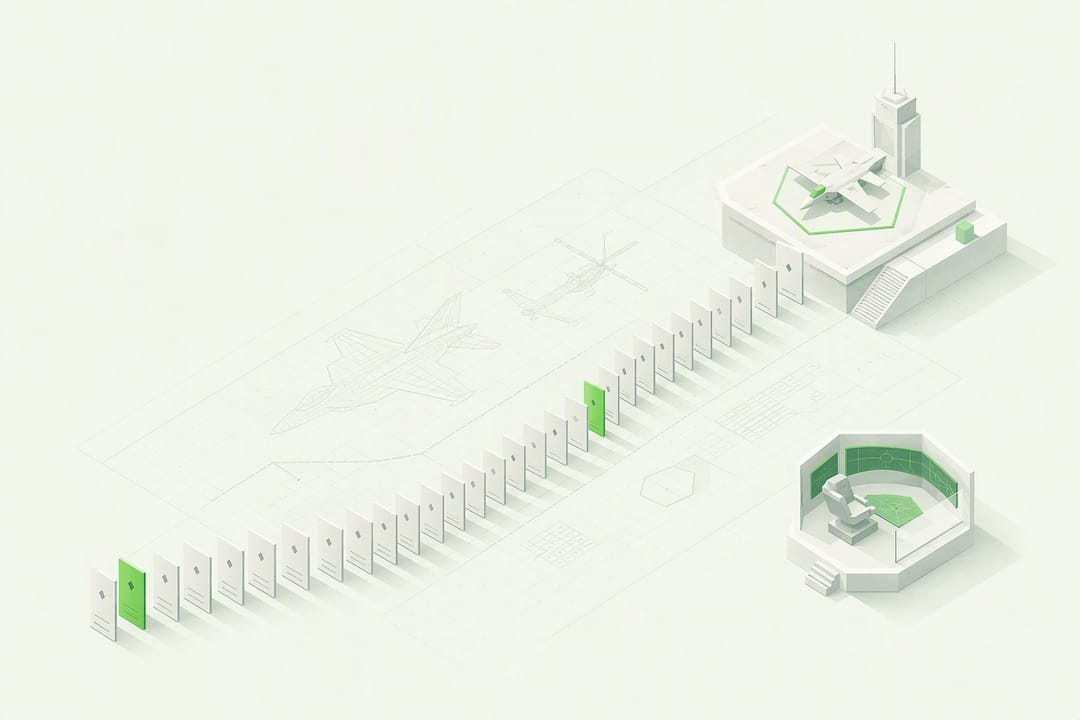
Your fastest path runs through three lanes at once: apply early to government programs like NASA’s OSTEM and to defense primes on their fall cycles, build a portfolio through remote externships or an NSF REU if lab access is limited, and work society conferences for referrals. U.S. citizenship or “U.S. person” status opens doors at Blue Origin and SpaceX that stay shut to international applicants, so know your status before you spend hours on an application. A structured program like Metapilot Academy can compress the skill-building timeline if you’re starting from scratch.
TL;DR:
U.S. citizenship or work authorization is often a strict requirement for internships at Blue Origin and SpaceX, limiting international applicants to eVTOL, commercial aviation, and university research roles.
Applying early via USAJobs and creating tailored federal-style resumes significantly improves chances at government programs like NASA’s OSTEM and Pathways, which have narrow application windows.
Building a portfolio through projects that quantify results and demonstrate technical skills in CAD, programming, and fabrication is essential, especially when GPA is below the competitive threshold.
Applying broadly across multiple sectors and maintaining organized tracking increases the likelihood of internship offers, as acceptance rates remain highly competitive at top-tier companies.
Metapilot Academy offers industry-aligned project-based training, enabling students to develop practical deliverables and visibility needed for internships without extensive lab access.
Table of Contents
What Types of Aerospace Student Internships Should You Target?
Not every aerospace internship offers the same experience and picking the wrong lane wastes an application cycle. Here’s how the major categories actually differ once you’re inside them.
Government programs like NASA’s OSTEM put you on real research or project teams for a single semester or summer, while Pathways functions as a structured pipeline toward permanent federal employment. Both require a federal-style resume, not a standard one-pager.
Defense primes (Boeing, Lockheed Martin, RTX, GE Aerospace) hire interns in volume through structured annual programs, often with security clearance prerequisites and pay that scales with class year.
NewSpace and private companies like Blue Origin and SpaceX post rolling openings and hand interns real hardware responsibility fast, sometimes within weeks of onboarding.
University research, NSF REU programs, and co-ops put you closer to grad-school pathways, usually with modest stipends and, occasionally, housing support.
eVTOL and commercial aviation roles tend to carry fewer citizenship restrictions than defense-adjacent work, making them a realistic entry point for international students.
What Eligibility and Timeline Rules Actually Matter?
GPA thresholds vary by employer, but a 3.0 is the common floor and 3.5 or higher opens more doors at competitive primes and NASA centers. Below that range, a strong project portfolio can offset the number, particularly at NewSpace companies that prioritize demonstrated hands-on results over transcripts.
Most internships require you to be enrolled in a degree program at the time of application and, often, through the internship dates themselves. Pathways positions typically add a graduation timing window tied to federal hiring rules, so check the fine print before you assume you qualify.
Citizenship status is the filter students underestimate most. Blue Origin’s internship pages confirm that U.S. person status is required for most roles, and SpaceX applies similar restrictions given the export-control sensitivity of the hardware involved. International students should prioritize eVTOL companies, commercial aviation, and university research instead of assuming every “aerospace” listing is open to them.

Pro Tip: Federal application windows for Pathways positions can close within days of opening. Create your USAJobs profile and upload documents months before you plan to apply, not the week you see a posting.
Build this checklist now:
Create a USAJobs account and complete your profile at least three months ahead of your target cycle.
Draft a federal-style resume separate from your standard one-pager.
Confirm your citizenship or work-authorization status against each target employer’s stated requirements.
Calendar prime recruiting season (typically August through October) and NewSpace rolling deadlines separately.
How Do You Build an Application Checklist That Gets Read?
A technical resume that survives a 30-second recruiter scan follows a predictable structure. Build yours around this sequence:
Header and summary. One line stating your major, expected graduation, and target role, no objective paragraph.
Projects first, experience second. Lead with two or three projects that show measurable outcomes, not just tools used.
Federal resume version. For NASA or Pathways applications, expand this into the longer USAJobs format, listing hours per week and detailed responsibilities, since federal applications require more documentation than industry ones.
Cover letter customization. Match the specific language from the job posting, especially subsystem names and tools, rather than sending a generic letter to every employer.
Application tracking. Submit across categories, government, primes, and NewSpace, and track each in a spreadsheet with deadlines and follow-up dates.
Aim for 15 to 20 applications spread across sectors rather than five perfect ones. Rehearse two kinds of interview answers: a technical walk-through of your strongest project, and a behavioral story about resolving a team conflict or missed deadline. A well-organized resume also benefits from proven formatting techniques that keep recruiters focused on your strongest lines instead of dense paragraphs.
Which Skills and Projects Actually Win Interviews?
Recruiters look for a specific toolkit before they look at your GPA. Know these cold, or at least know one deeply:
CAD and simulation: SolidWorks or CATIA for modeling, ANSYS for finite element analysis.
Programming: Python for data reduction and automation, MATLAB for controls and simulation, C or C++ for embedded systems work.
Version control: Git, because team-based engineering work assumes you already know it.
Hands-on fabrication: machining experience, test procedure writing, or basic PCB layout separates you from candidates who only have coursework.
Projects that quantify a result beat projects that just describe an activity. “Built a CubeSat power subsystem” is forgettable. If your university lab access is limited, remote externships and project-based programs produce the same kind of portfolio-ready deliverable without requiring campus equipment, and they’re one of the more efficient ways to compensate for a lower GPA.
Pro Tip: *Quantify everything.
Where and When Should You Search for Openings?
Your search should hit five channels, not one:
Company career portals for Boeing, Lockheed Martin, Blue Origin, and SpaceX.
USAJobs and NASA’s OSTEM program page for federal and research positions.
NSF REU listings for university-affiliated research internships.
Your university’s Handshake portal or equivalent career center system.
Conference recruiting through AIAA, SWE, NSBE, and SHPE, where company booths often fast-track referred candidates.
Timing separates successful applicants from late ones. Defense primes tend to post their main internship cycles between August and October for the following summer. NASA’s OSTEM and Pathways windows can be narrower and open on their own schedule, so check the page directly rather than assuming a fixed month. Many NewSpace companies, including SpaceX, post continuously on a rolling basis, which means applying in month one of a posting beats applying in month three.
Set calendar alerts for prime recruiting season in late summer.
Check NASA’s internship page monthly starting in the spring before your target term.
Apply to rolling NewSpace postings the same week they appear rather than waiting to perfect your resume.
How Do You Turn Networking Into Referrals?
A referral moves your application past the automated filter that stops most cold submissions. Build a 30-second pitch: your major, one strong project, and the specific role you’re targeting, then practice saying it without sounding rehearsed.
Bring a one-page leave-behind to career fairs with your project summary and contact information.
Follow up with any recruiter you speak to within 48 hours, referencing something specific from your conversation.
Track every contact in a simple spreadsheet: name, company, date, and what you agreed to follow up on.
Look into MUREP and society-specific scholarships if you’re an underrepresented student targeting NASA or academic research paths.
Pro Tip: A recruiter remembers the student who followed up with a specific technical question far more than the one who sent a generic “thank you for your time” email.
How Metapilot Academy Strengthens Your Internship Pipeline
Metapilot Academy runs various programs built around AI and advanced technology leadership, with dedicated tracks for aerospace, defense, and biotech innovation. The programs include industry connections that provide students exposure to real problems employers face.
That structure matters most for students trying to build a portfolio outside their home university’s lab access:
Projects are designed to mirror the kind of deliverables recruiters ask about in interviews.
Demo days put finished work in front of recruiters directly, helping to increase visibility.
Practical training programs build the same technical fluency, CAD, simulation, applied AI, that hiring managers screen for.
For students without access to a research lab, virtual aerospace study formats offer a comparable substitute to the externship route.
Author Perspective: Realistic Expectations and Next Steps
Acceptance rates at top-tier aerospace internships are brutal, and applying to five employers is a mistake most students make once. Apply broadly, 15 or more across sectors, because volume compensates for selectivity you can’t control. Freshmen and sophomores should spend the next three months building one strong project and joining a society chapter. Juniors and seniors should spend it finishing applications and rehearsing interviews. Treat the search like a project with milestones, not a waiting game.
— Metapilot
Ready to Build the Portfolio Recruiters Actually Want?
You’ve seen the channels: NASA’s OSTEM, prime recruiting cycles, NewSpace rolling postings, and REU research tracks. Metapilotacademy exists for the gap between those channels and your current skill set. Instead of hoping a semester of coursework happens to line up with what SpaceX or Boeing screens for, Metapilot Academy builds industry-co-designed projects directly into its aerospace, defense, and technology tracks, with demo days that put your work in front of the same partners you’re trying to intern for.
[
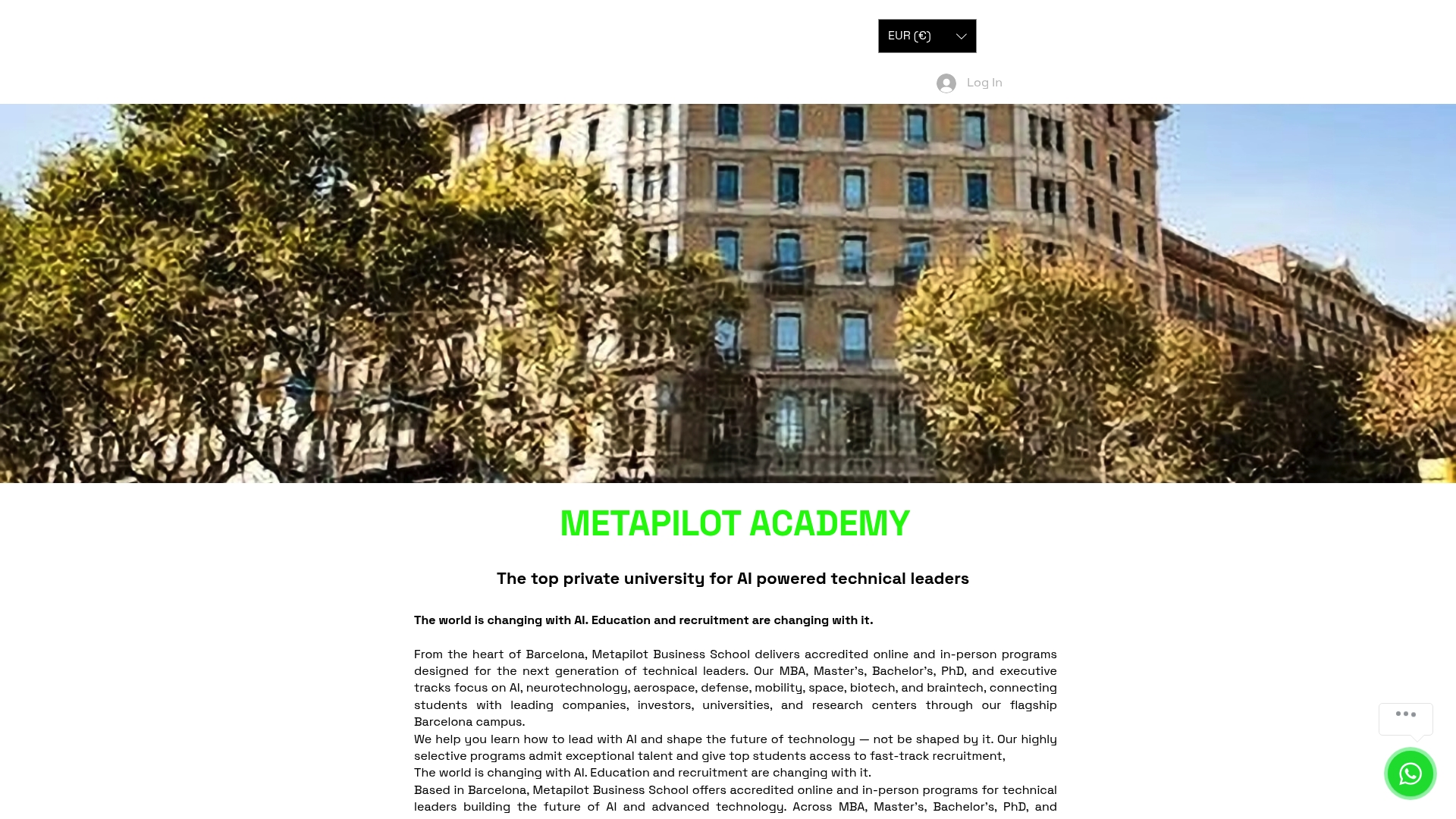
The program catalog lists specific tracks, including an AAM certification covering drones, eVTOL, and vertiports for students targeting the fastest-growing corner of aerospace hiring. If you’re weighing a full degree path, the pricing and plans page breaks down the MBA, Master’s, Bachelor’s, and PhD options along with a $1 joining fee and a €499 registration fee. Request information through the program catalog to see which track fits your internship timeline before your next application cycle opens.
Official Program Pages Worth Bookmarking
NASA’s OSTEM and Pathways page for federal deadlines and eligibility rules.
Blue Origin’s internship page and SpaceX’s career board for NewSpace timelines.
USAJobs and NSF REU listings for government and research-based openings.
Sources
FAQ
What Are Some Good Internships for Aerospace Engineering Students?
Strong options include NASA’s OSTEM program, defense-prime programs at Boeing and Lockheed Martin, NewSpace internships at Blue Origin and SpaceX, and NSF REU research placements. Each sector offers a different mix of hands-on hardware work, research depth, and federal employment pathways.
Is a 3.6 GPA Good for Aerospace Engineering Internships?
Employers generally expect a GPA floor around 3.0, with many primes and government listings favoring 3.5 or higher. It won’t guarantee an offer on its own, since employers increasingly weigh demonstrated project experience alongside transcript numbers.
Is a 3.4 GPA Good Enough for Internships?
A GPA at or above the common 3.0 baseline meets the typical first filter used by aerospace employers. NewSpace companies in particular tend to weigh applied engineering experience and project portfolios as heavily as GPA, so a strong CAD or coding project can offset a middling number.
Who Are the Big Five in Aerospace?
The term commonly refers to Boeing, Lockheed Martin, RTX (formerly Raytheon), Northrop Grumman, and General Dynamics, the largest U.S. defense and aerospace contractors by revenue. All five run structured, high-volume internship programs that typically post during the fall recruiting cycle.
How Can Metapilot Academy Help Me Prepare for Aerospace Internships?
Metapilot Academy builds industry-co-designed projects and demo days directly into its aerospace and technology programs, giving students portfolio material that mirrors what recruiters at partner organizations like Boeing and NASA actually ask about. Program details and pricing are listed on the program catalog.
Recommended
Comments