
5 Differences: Industry Doctorate vs PhD for Technical Candidates

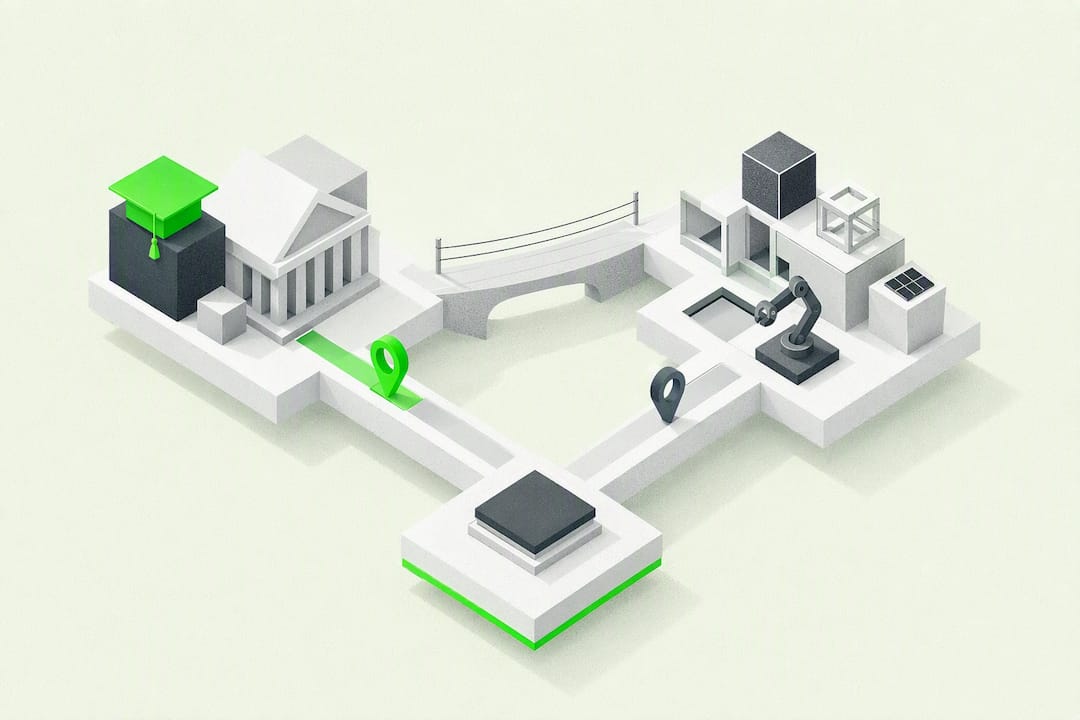
Choose an industrial doctorate if your priority is applied, employer-linked research with a clear job pathway; choose a traditional PhD if academic freedom and publication-first output matter more to you. The rule of thumb: an industrial doctorate pairs a real company problem with a co-supervised research plan and a near-guaranteed employment pathway, while a traditional PhD optimizes for original contribution to a field and mobility inside academia. Programs like this PhD track, built with aerospace industry partners, sit squarely in the first camp.
TL;DR:
An industrial doctorate is designed around solving a specific company problem with joint supervision, often resulting in a direct employment pathway into industry R&D roles.
These programs are typically funded through salaries or stipends tied to industry milestones and include confidentiality and patent clauses restricting free publication.
Candidates with prior industry experience tend to navigate industrial PhDs more smoothly, especially when governance and supervision are clearly defined upfront.
A traditional PhD offers more academic freedom and publication flexibility, making it better suited for those pursuing careers in academia or research-focused roles.
Proper vetting of programs requires requesting detailed supervision, governance, IP policies, and funding documents before enrolling to avoid delays or conflicts later.
Table of Contents
Industry Doctorate vs PhD: The Core Differences
The two formats diverge on five practical points, and understanding them upfront saves you months of confusion later.
An industrial doctorate is built around a specific, firm-identified problem. A traditional PhD is built around a question you and your advisor believe is worth answering, regardless of who benefits from the answer. That single distinction shapes everything else.
Research framing: Applied and problem-driven (industrial) vs. fundamental and question-driven (traditional).
Supervision: Joint academic and industry supervisors with formal reporting (industrial) vs. a single academic advisor or committee (traditional).
Funding: Often salaried or stipended through the company, sometimes with government co-funding (industrial) vs. university stipends, fellowships, or teaching assistantships (traditional).
Publication and IP: Subject to confidentiality review and patent-first clauses (industrial) vs. generally unrestricted, publish-when-ready (traditional).
Career outcome: Direct pathway into industry R&D roles (industrial) vs. academic postdocs, faculty positions, or open-market roles (traditional).
Neither format is objectively better. The systematic literature review on industrial doctorates found that academic standards hold up fine in industrial programs, but only when governance and supervision are genuinely robust. Weak governance is where these programs fail.
What an Industry-Linked Doctorate Actually Looks Like
An industrial doctorate, also called a professional doctorate or industrial PhD depending on the country, is a formal three-party arrangement between the candidate, a university, and a company. It is not a PhD with a corporate sponsor bolted on. The structure itself is different.
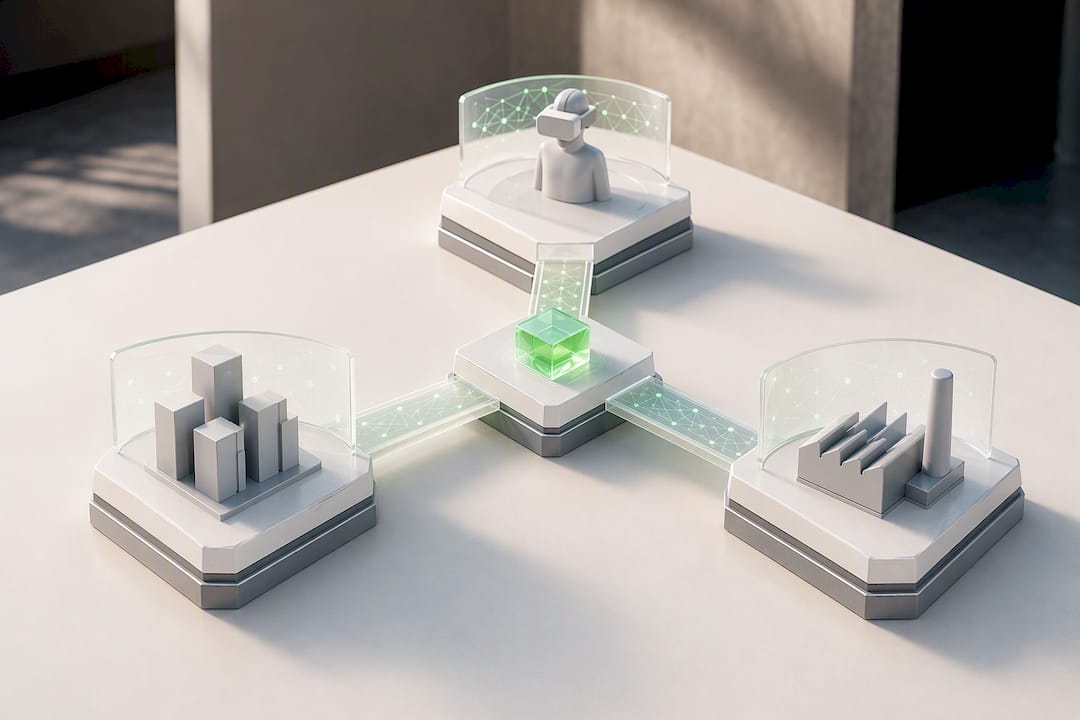
Joint supervision sits at the center of the model. An academic supervisor keeps the research methodologically sound, while an industry supervisor gives you access to real data, equipment, and organizational context you would never get inside a university lab. The Marie Skłodowska-Curie Actions doctoral network framework treats this dual supervision as a defining feature, not an add-on.
Three models show up repeatedly across countries and sectors:
Industry-employed candidate. You’re hired by the company first, and the PhD is negotiated as part of your role, common in aerospace and defense R&D divisions.
Industry-linked scholarship. A funding body or the company sponsors a set stipend tied to specific engagement milestones with the firm.
Cooperative scheme with time splits. You divide your week or your year between campus and company site under a documented schedule.
Innovation Fund Denmark’s Industrial PhD guidelines lay out exactly this kind of tripartite agreement: candidates split time between company and university, must still meet full university PhD requirements, and are expected to produce results the business can actually use. Funding typically covers salary and some operating costs, and some national schemes, including Australia’s National Industry PhD Program, require a minimum period of industry engagement before the degree is awarded.
Which Format Actually Fits Your Career Goals
Match the format to what you want five years from now, not what sounds more prestigious today.
Industrial doctorates tend to suit candidates who already have some professional experience and want research that solves a concrete problem, someone in aerospace who wants to fix a specific propulsion inefficiency, or a biotech engineer trying to scale a diagnostic process. Prior industry experience is a real advantage here: research on industrial PhD candidates with professional backgrounds shows they navigate company politics and procedures faster than candidates coming straight from a master’s program.
Traditional PhDs suit candidates chasing academic careers, publication records, or intellectual freedom without a firm’s roadmap attached.
If your goal is a faculty position or a postdoc pipeline, a traditional PhD keeps your publication timeline unrestricted.
If your goal is an R&D role at a company like the ones sponsoring your project, an industrial doctorate builds that relationship before you graduate.
If you might return to academia later, ask upfront how the program’s publication policy affects your ability to build a citable body of work.
Employability data tends to favor the industrial route for direct job placement, but at some cost to academic mobility if you change your mind mid-program.
How to Vet an Industrial Doctorate Program Before You Commit
Treat the first conversation with any program as a document-gathering exercise, not a sales pitch. Here’s what to request in writing before you sign anything.
Named supervisors and governance structure. Ask for the specific academic and industry supervisor names, not just department affiliations, and request the governance document that defines how disputes between them get resolved.
Funding and employment terms. Get the stipend or salary amount, covered expenses, and contract length in writing, not verbally promised.
IP and publication policy. Request the exact confidentiality and patent-first clauses. The NSERC intellectual property guidelines note that programs stating publication timelines and disclosure thresholds upfront cause far fewer conflicts later.
Time allocation and secondment length. Ask exactly how many days per week or months per year you’ll spend on-site at the company versus on campus.
Assessment and progression milestones. Confirm the dissertation examination rules match standard university PhD requirements, not a watered-down internal review.
Evidence of recruitment pathways. Ask for concrete examples: demo days, past candidate placements, or named roles alumni moved into after graduation.
Pro Tip: Ask specifically for the disclosure permission threshold, the exact word count or data sensitivity level that triggers a company review before you can publish. Programs that can’t answer this precisely usually haven’t thought it through, which means you’ll be negotiating it live, mid-dissertation, with less leverage than you have now.
Programs with genuinely strong governance rarely hesitate to hand over these documents. Hesitation itself is useful information.
The Real Tradeoffs: IP, Dual Cultures, and Administrative Load
Industrial doctorates come with friction points that traditional programs simply don’t have, and pretending otherwise sets candidates up for frustration.
Confidentiality clauses are the most common flashpoint. Companies frequently want patent filings settled before you publish anything, which can delay your dissertation timeline by months. Negotiate a disclosure threshold and a maximum review period into your contract before you start, not after your advisor tells you a chapter is ready.
Dual identity strain: You’re an employee and a doctoral candidate simultaneously, and switching mental modes between a Monday sprint review and a Thursday literature seminar is genuinely tiring.
Administrative overhead: Multi-partner projects generate more paperwork, more reporting cycles, and more stakeholders who need updates.
Belonging gaps: Candidates on projects with more than one company partner report weaker belonging at either institution; a CESAER analysis found simple tripartite agreements (you, the university, one company) work better than sprawling consortia for exactly this reason.
Knowledge brokering fatigue: Successful candidates describe themselves as translators between two worlds, and research on industrial PhD communication shows that rhetorical flexibility, adjusting your language for an academic committee versus a product team, is a teachable skill that predicts how well the project actually goes.
The upside: candidates who manage these tensions well come out with genuinely rare T-shaped skills, deep in one technical area, broad enough to operate across R&D, product, and research functions.
Metapilot Perspective: Why Industry-Linked PhDs Matter in Applied Tech
This PhD track is built around a simple observation: aerospace, biotech, and AI companies don’t need more researchers publishing into a vacuum. They need candidates who can solve a named engineering problem and then walk into an R&D role the day they defend. The co-supervision model pairs an academic advisor with an industry mentor so every dissertation chapter answers to both scientific rigor and operational reality.
Demo days are run specifically so recruiters see finished work, not resumes. It’s how promising candidates can end up with offers before graduation, not after a six-month job search. That pathway is the whole point of choosing an industry-linked format over a traditional one.
— Metapilot
How to Apply to Metapilot Academy’s Industry-Linked PhD Program
If the tradeoffs above sound worth it, This PhD program in AI, aerospace, and biotech is built exactly around the model this article describes: named co-supervisors, industry secondments with real partners, and recruitment access most traditional programs can’t offer.
[
Before you apply anywhere, including here, request the same three documents we recommended in the checklist above: your supervision agreement, your IP and publishing policy, and your funding terms in writing. Metapilot Academy’s PhD program page outlines the co-supervision structure and industry partnership model, and the full program list shows how the doctoral track connects to related microcredentials if you want to build specific technical skills alongside your research. Current tuition, fees, and enrollment terms, including the Registration Fee, are listed on the pricing and plans page. Start there, gather your questions from the checklist above, and reach out to admissions with them directly.
Resources Worth Reading Before You Decide
For deeper verification, read the systematic literature review on industrial doctorates for program design evidence, Innovation Fund Denmark’s Industrial PhD guidelines for a real tripartite agreement template, and the CESAER report for policy-level context on governance and IP. If you’re managing a multi-source literature review yourself, a tool like PaperSynapse helps organize collaborative research across academic and industry co-authors.
FAQ
What’s the main difference between an industry doctorate and a PhD?
An industry doctorate ties your research to a specific company problem under joint academic and industry supervision, while a traditional PhD prioritizes open-ended academic inquiry with a single university advisor.
Do industrial doctorates count as real PhDs?
Yes, when governance is robust, industrial doctorates meet the same university examination and dissertation standards as traditional PhDs, according to the systematic literature review.
Can I publish freely during an industrial doctorate?
Usually not immediately. Most industry-sponsored projects include confidentiality or patent-first clauses, so get the exact disclosure timeline in writing before you enroll, as recommended by NSERC’s IP guidelines.
Is an industrial doctorate better for career outcomes than a traditional PhD?
It depends on your goal. Industrial doctorates tend to offer more direct pathways into industry R&D roles, while traditional PhDs keep academic career options fully open.
Does Metapilot Academy offer an industry-linked PhD?
Yes. Metapilot Academy’s PhD program is built with industry partners including Boeing and NASA, combining co-supervision with direct recruitment pathways; program details are available on its PhD program page.
Recommended

Comments